
Virtual School 101: 5 Things Every Family Should Consider
Virtual school has become an increasingly popular option for families seeking flexibility, personalization, and a different approach to learning. Whether you're exploring online education for the first time or considering a switch from a traditional classroom, it helps to understand what virtual learning actually looks like day to day — before you decide if it's the right fit.
Virtual school offers real benefits, but it also comes with real expectations. Taking the time to understand those expectations now can help you make a confident, informed decision for your child. Below are five essential things every family should know when considering Arizona Virtual School (AZVS).
Does Virtual School Require Strong Time Management Skills?
Yes — virtual school shifts a significant amount of scheduling and self-direction from the school onto the student and family. In a brick-and-mortar setting, the school day is structured for students with bells, scheduled classes, and built-in supervision. In a virtual environment, much of that structure has to be built at home.
This doesn't mean students are on their own. But it does mean they need to take a more active role in managing their time. Logging into classes, completing assignments, and staying on track with deadlines all require a level of organization that may feel new at first. The U.S. Department of Education has found that students who succeed in online learning environments tend to demonstrate strong time management and self-regulation skills (U.S. Department of Education).
Here's what tends to help most:
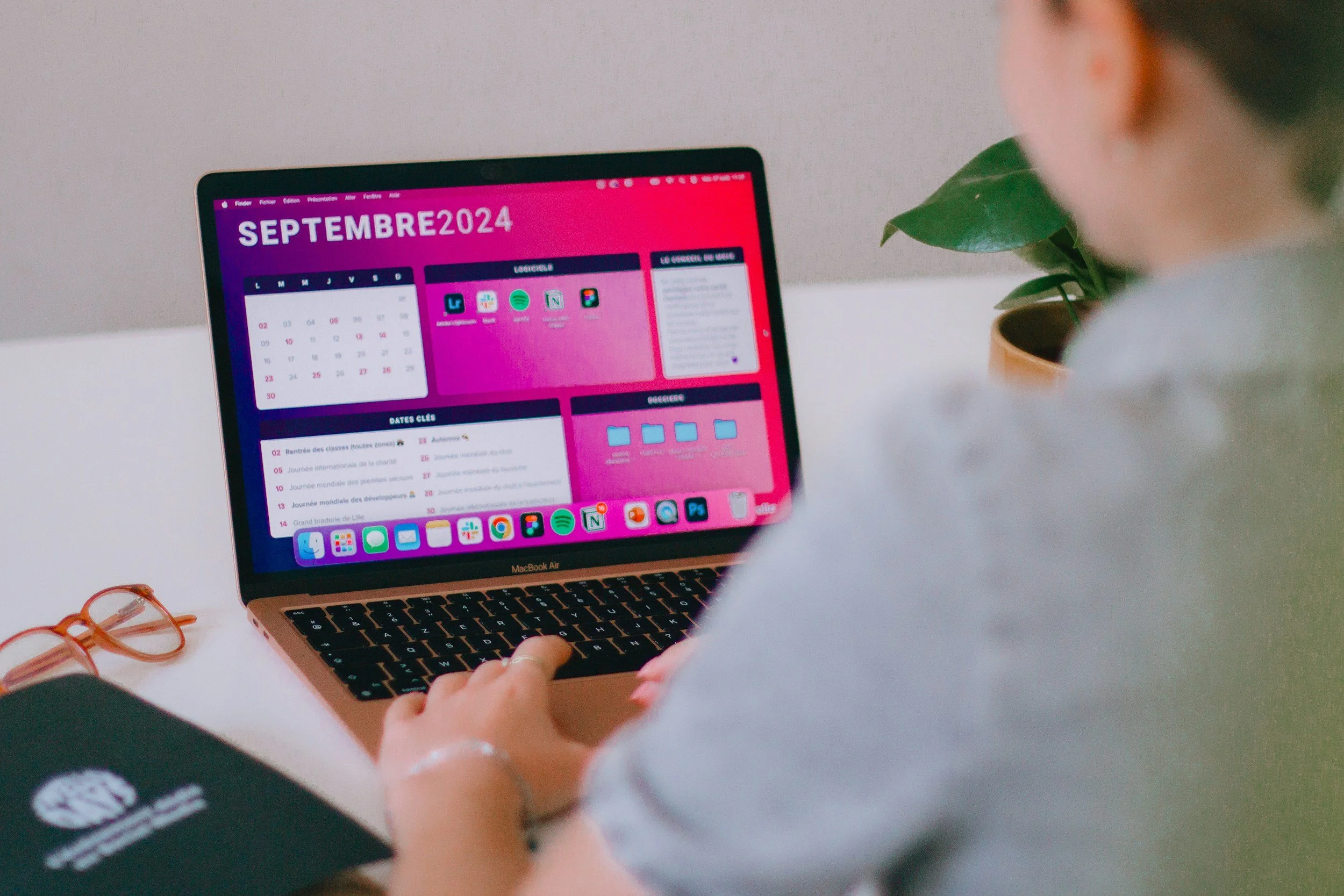
Establish a routine early — even a simple one, like "school starts at 8:30" — rather than waiting for structure to emerge on its own
Use a shared calendar or planner so deadlines aren't a surprise
Build in short check-ins at the start and end of the day, especially in the first month
Over time, most students become more independent and confident learners. But there's often a learning curve at the start, and that's normal — not a sign that virtual school isn't working.
How Much Should Parents and Guardians Be Involved?
More than you might expect! Virtual school often brings families closer to the day-to-day learning process, not further from it. How that involvement looks depends heavily on your child's age and independence level.
Younger learners may need hands-on guidance throughout the day. Older students typically need more oversight and encouragement rather than direct instruction. Research from the National Education Policy Center identifies family engagement as a key factor influencing student outcomes in full-time virtual schools, alongside school responsiveness and student belonging.
For busy households, this is worth planning for honestly:
Supporting a virtual learner may mean helping manage schedules, monitoring progress in the parent portal, and maintaining regular communication with teachers
Many families find this rewarding — it offers visibility into what and how a child is learning
Before enrolling, it's worth asking: does our household currently have the time and capacity to take on this role?
Will My Child Still Have Opportunities to Socialize?
Yes — socialization looks different in virtual school, but it doesn't disappear. Online learning doesn't include the hallway conversations and lunchroom interactions of a traditional campus, but that doesn't mean students are isolated from their peers.
AZVS offers structured opportunities for connection, including live classes, group projects, clubs, and virtual events. These experiences let students build real relationships with peers, even when they're not physically in the same room.
At the same time, socialization in a virtual setting tends to require more intentional effort from families. The American Academy of Pediatrics emphasizes that peer interaction is essential for healthy social and emotional development, which makes it worth prioritizing connection actively rather than assuming it will happen on its own (American Academy of Pediatrics). Families often supplement online learning with:

Extracurricular activities outside of school, like sports or community classes
Local meetups or co-ops with other virtual-school families
School-hosted clubs and events, including our regular student spotlights and community gatherings
Understanding that socialization will look different — and planning for it intentionally — helps students thrive both academically and emotionally.
Is Flexibility Actually a Benefit?
Yes, but only when it's paired with structure. Flexibility is one of the biggest reasons families choose virtual school: the ability to learn from home, adjust schedules, and move at an individualized pace is genuinely appealing. But flexibility without structure can quickly become overwhelming.
Students who don't have a clear routine may struggle to stay focused or keep pace with assignments. Without defined start and end times, schoolwork can bleed into personal time, leading to stress or burnout rather than the balance families were hoping for. Research published in Frontiers in Psychology on student engagement in online learning found that predictable routines and clear organization support both engagement and academic outcomes.
A few practices make the difference:
Set consistent start times, even if the schedule itself is flexible day to day
Build in regular breaks rather than treating the whole day as open-ended
Establish clear expectations for what "done for the day" looks like
When families strike the right balance between flexibility and structure, students tend to experience the best of both — freedom without drift.
Is Virtual School the Right Fit for Every Student?
No. And that’s okay. Virtual school is not the right environment for every learner, and recognizing that early is part of making a good decision, not a failure of one.
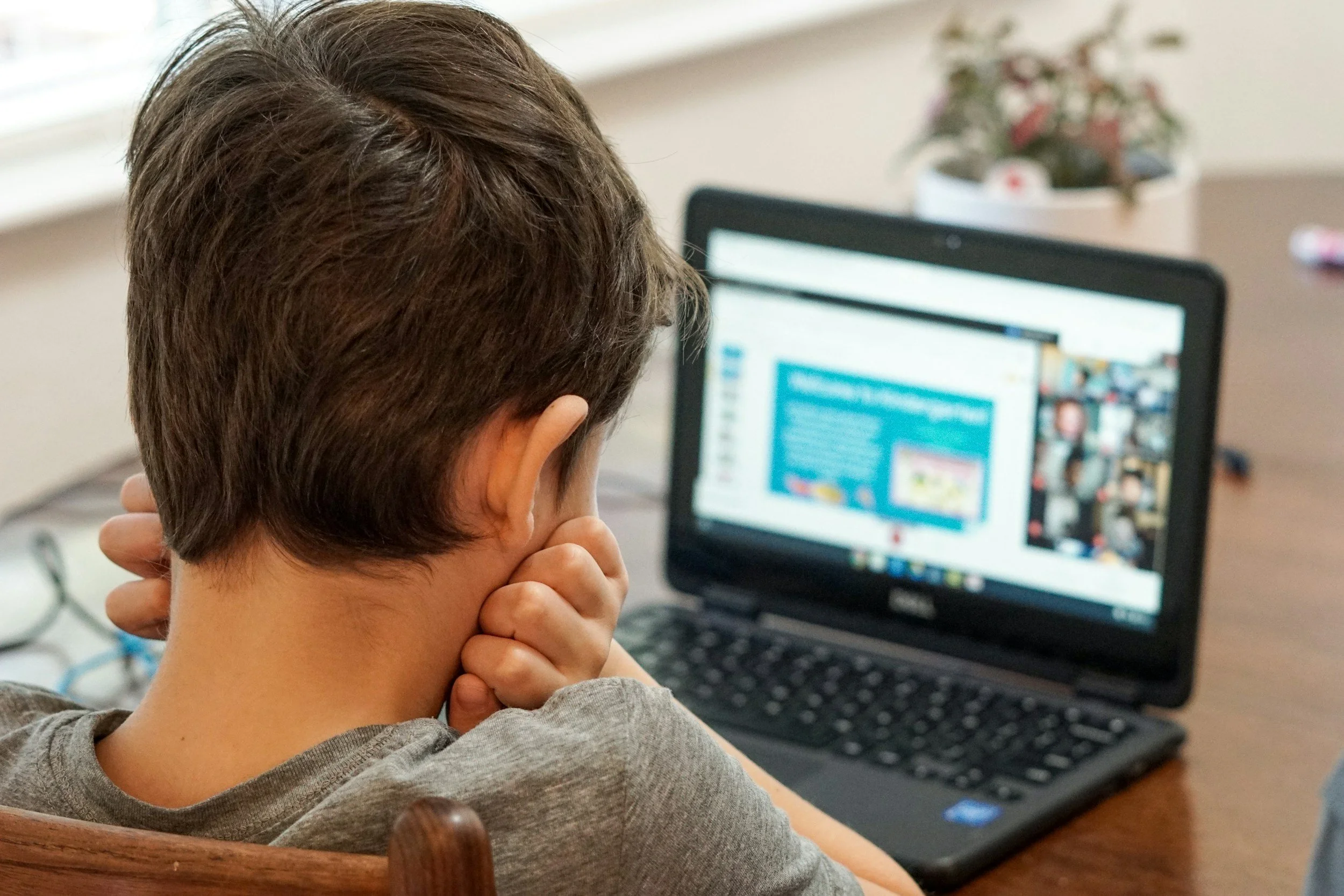
Some students thrive online, especially those who are self-motivated, independent, or who prefer a quieter learning environment. Others find it more challenging, particularly if they need more hands-on instruction, frequent in-person social interaction, or external structure to stay on track. Learning style, personality, and family dynamics all play a role in whether virtual school will be a good match.
It's also worth knowing that virtual programs vary widely:
Some offer live, teacher-led instruction; others are more self-paced
Hybrid options, combining online and in-person learning, may be available through other programs
AZVS offers frequent one-on-one sessions with teachers, optional synchronous classes, and occasional in-person events — a mix that works well for many students, though not all
Taking time to evaluate your child's needs, and staying open to adjustments if something isn't working, helps set up a genuinely positive experience.
What Questions Should My Family Ask Before Deciding?
Start with how your child learns and how your family's routine actually works, not just whether virtual school sounds appealing in theory. Choosing a school environment is a significant decision, and asking the right questions up front provides real clarity. Consider:
Can your child work independently, or do they rely heavily on in-person guidance?
Does your family's daily routine allow for the level of support virtual school may require?
Does your child enjoy connecting with others in person, or are they comfortable interacting in digital spaces?
What has and hasn't worked in your child's current school environment?
There's no single "right" answer here. The goal is finding an environment where your child feels supported, engaged, and capable of success. And we're hopeful that can be with us.
Frequently Asked Questions
Is virtual school easier than traditional school?
Not necessarily. While it offers more flexibility, it often requires stronger time management and independence from students.
How much time do parents need to be involved?
It depends on the student's age and independence level. Younger students typically need more hands-on support, while older students may require less direct involvement.
Can students still make friends in virtual school?
Yes. Live classes, clubs, and group activities create real opportunities for connection, and many families also supplement with in-person experiences.
What if virtual school doesn't work for my child?
That's okay. Many families explore a few educational options before finding the best fit, and it's not unusual to adjust course along the way.
How do I get started with virtual school?
Research programs, ask questions, and evaluate how each option aligns with your child's needs — starting with a conversation with our team is a great first step.

The Benefit of Being Informed
Understanding what virtual school actually requires doesn't mean focusing only on the challenges — it means setting realistic expectations. Families who go into online learning with a clear understanding of time management, involvement, socialization, structure, and individual fit are better prepared to navigate the experience successfully.
When expectations align with reality, students are more likely to feel confident and supported from day one. Education isn't one-size-fits-all, and that's a good thing. The best learning environment is the one that supports your child's unique needs, strengths, and goals.
Still weighing whether virtual school is the right fit? RSVP for our Meet Your School Event!
Follow us for more tips on making the switch to virtual learning:Facebook | Instagram | TikTok
Sources
U.S. Department of Education. Evaluation of Evidence-Based Practices in Online Learning.ed.gov
National Education Policy Center. Full-Time Virtual Schools Report (2023).nepc.colorado.edu
Frontiers in Psychology. Student Engagement in Online Learning Environments.frontiersin.org
American Academy of Pediatrics. The Importance of Social Connection for Children.aap.org
Center on the Developing Child at Harvard University. Key Concepts: Executive Function and Self-Regulation.developingchild.harvard.edu
